Living in the Desert Means Fighting the Heat on Two Fronts
When I do energy audits on homes in the inland valleys and desert communities, I find the same pattern over and over: single-pane windows letting heat pour in from one direction, and thin attic insulation letting it pour in from above. Homeowners are running their AC nonstop and still not comfortable. The problem is that they are fighting heat on two fronts and losing on both.
Your Windows Are Radiators in Reverse
Single-pane aluminum windows, which are standard in homes built before the mid-1990s, have almost no insulating value. On a 105-degree day, I have measured interior glass temperatures over 130 degrees with a thermal camera. That heat radiates into every room, and your AC has to work constantly to offset it.
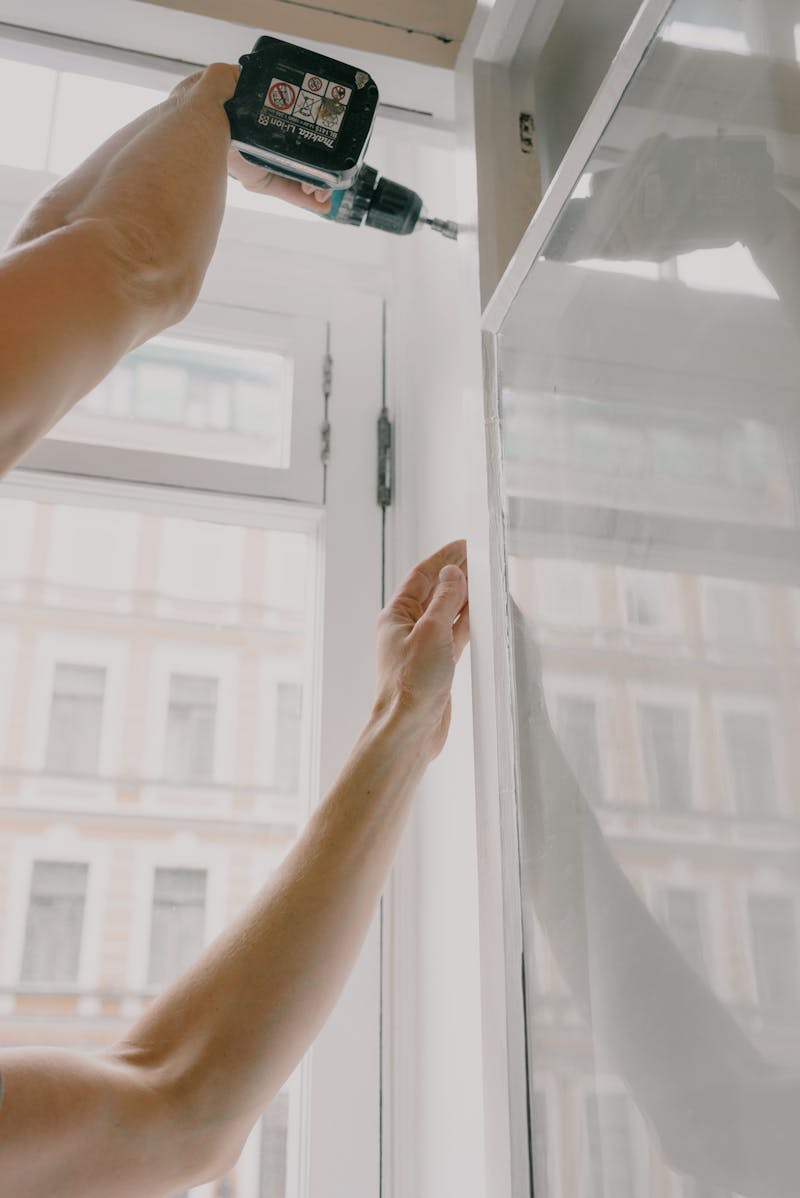
Replacing those windows with low-E double-pane units cuts solar heat gain dramatically. On our Palm Springs window retrofit, the homeowner's first summer bill after the install was $140 lower than the year before. The house also got noticeably quieter.
Your Attic Is an Oven
While your windows let heat in through the sides, your attic absorbs it from the roof and pushes it down into your living space. Most older homes in our area have R-11 to R-19 insulation, which is well below the R-38 that current code requires. That gap means your ceiling is barely doing anything to block the 150-degree attic above it.
Why You Need to Fix Both
Here is what I tell every client: upgrading windows without addressing the attic is like plugging the holes in one side of a bucket. You will see some improvement, but the heat still gets in from above. And insulating the attic without fixing old windows leaves the walls and glass as weak points. The real savings come when you address both.
The Smart Approach
I always recommend starting with an energy audit that uses thermal imaging to see exactly where the heat is coming in. Then we prioritize based on what will have the biggest impact for your budget. For most homes, the combination of window replacement and attic insulation, paired with a right-sized HVAC system, delivers the best results. Check out our insulation guide for details on R-values and what to expect for costs.
It Pays for Itself
Between federal tax credits, utility rebates, and monthly energy savings, most whole-house energy upgrades pay for themselves within three to five years. After that, the savings go straight into your pocket. I have had clients tell me their monthly bills dropped by 40 percent or more. That is real money every single month.
Eric
GLME Construction
Eric manages HVAC, insulation, and energy efficiency projects at GLME Construction. He has helped homeowners across Southern California improve comfort and reduce energy costs through smart system design.
Double-Pane Window Retrofit
Ready to Start Your Project?
Contact GLME Construction for a free consultation and estimate. We will help you plan the right solution for your home and budget.
Get Free Estimate