Beat the Heat Before It Beats Your Roof
Most homeowners do not think about their roof until something leaks. But in Southern California, the biggest enemy of your roof is not rain. It is heat. Day after day of 90-plus degree temperatures bakes shingles, dries out sealant, and warps flashing. By the time you see a water stain on your ceiling, the damage has been happening for years.
What Heat Actually Does to Your Roof
Standard asphalt shingles absorb solar radiation and can hit 160 degrees on a summer afternoon. That heat breaks down the oils in the shingle material, causing them to curl, crack, and lose granules. The flashing around vents and chimneys expands and contracts daily, which eventually opens gaps. I see this on almost every roof inspection I do in the Valley.
Cool Roof Shingles Make a Real Difference
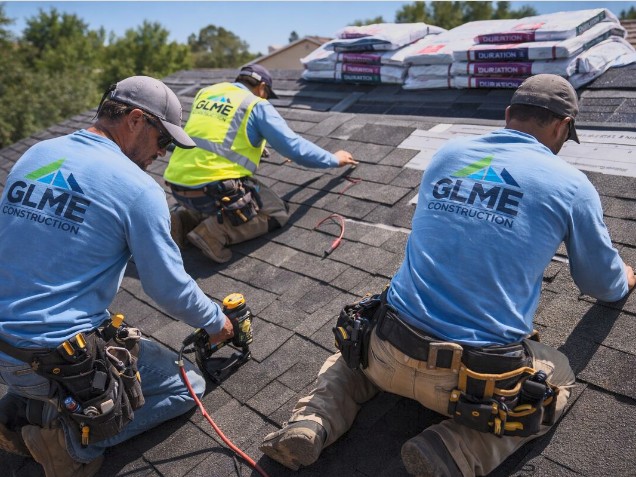
Cool roof rated shingles reflect more solar energy instead of absorbing it. They run 20 to 30 degrees cooler on the surface than standard shingles. On our Northridge roof replacement, we installed cool roof shingles and combined them with proper ridge and soffit ventilation. The attic temperature dropped by over 20 degrees compared to the old roof.
Ventilation Is Half the Battle
A roof without proper ventilation traps heat in the attic. That bakes the underside of your decking and dramatically shortens shingle life. Ridge vents along the peak and soffit vents at the eaves create airflow that pulls hot air out. It is one of the cheapest upgrades with one of the biggest impacts. If your attic insulation is also thin, fixing both at the same time makes the most sense.
Warning Signs to Watch For
Curling or cupping shingles, especially on south-facing slopes. Granules collecting in your gutters. Cracked or missing flashing around penetrations. Dark patches where shingles have lost their protective coating. If you spot any of these, get an inspection before the next rain season.
When to Replace vs Repair
If the damage is limited to a few shingles or a small flashing section, a repair makes sense. But if the shingles are curling across large sections, the roof is over 20 years old, or you have had multiple repairs in the past few years, a full replacement with cool roof materials and proper ventilation is the better investment. Check our Title 24 guide to understand what energy codes require for new roofing in California.
Ryan
GLME Construction
Ryan manages interior remodeling and roofing projects at GLME Construction across the San Fernando Valley. He understands the unique demands that SoCal heat puts on roofing systems.
Summer Roof Replacement
Ready to Start Your Project?
Contact GLME Construction for a free consultation and estimate. We will help you plan the right solution for your home and budget.
Get Free Estimate